
In this post, we will outline what businesses need to know about shipping freight from Ontario to British Columbia, covering everything from routes and transit times to cost considerations and service reliability. This interprovincial route spans vast distances, varying terrains, and multiple transportation options. For manufacturers, distributors, and wholesalers looking to ship palletized freight between these two points, there are many factors to consider to ensure seamless and efficient delivery.
### Why Ontario to British Columbia?
Ontario is Canada’s industrial heartland, home to numerous manufacturers and distributors. BC, on the other hand, is known for its thriving markets and diverse economy, making it a key destination for many Ontario businesses. Knowing how to navigate the shipping logistics between these two provinces is essential for anyone looking to expand their market reach or fulfill customer orders on the West Coast.
### Key Shipping Considerations
Before diving into the specifics, consider these core elements that affect your shipping experience:
– **Transit Times**: Depending on the shipping method, transit times can vary significantly, typically ranging from three to ten days for standard freight.
– **Costs**: The shipping costs can fluctuate based on distance, weight, freight class, and the shipping method selected.
– **Carrier Capacity**: Availability of carriers can impact how quickly you can ship your freight, especially during peak seasons.
– **Service Reliability**: The choice of a reliable transportation partner can ensure your goods arrive without unnecessary delays or damage.
OTR (Over-the-road) Shipping Options
### Less-than-Truckload (LTL) vs. Full-Truckload (FTL)
Businesses often face the choice between **less-than-truckload (LTL)** and **full-truckload (FTL)** shipping methods.
– **LTL Shipping**: This is ideal for businesses that do not have enough freight to fill an entire truckload. It allows for cost-effective shipping by consolidating multiple shipments into one truck. For example, if you need to ship four pallets of consumer goods from Toronto to Vancouver, LTL can be a great choice, offering flexibility and potentially lower costs.
– **FTL Shipping**: If your shipment exceeds 10,000 pounds or includes temperature-sensitive goods, FTL may be the right option. FTL is faster than LTL since the entire truck is dedicated to a single shipment, meaning less handling and risk of damage.
### Specialized Shipping Requirements
Some businesses may have specialized shipping needs. For instance, if you manufacture food products that require temperature control or hazardous materials that demand special handling, choosing a carrier who understands these specific requirements is crucial.
### Seasonal Demand and Last-Minute Shipping
Seasonal spikes in demand can lead to urgent shipping needs. Businesses often find themselves needing to arrange last-minute shipments, which can pose challenges if carrier capacity is full. Planning ahead and building a relationship with a dependable transportation partner can help mitigate these difficulties.
Shipping Costs & Transit Times
### Factors That Influence Costs
Shipping expenses from Ontario to BC can differ widely based on several factors:
– **Freight Class**: This classification system is based on the density, stowability, and handling requirements of your shipment. The higher the freight class, the more you may pay.
– **Distance**: The longer the distance, the higher the transportation costs.
– **Weight and Dimensions**: Heavier or larger shipments will usually cost more to ship.
– **Service Type**: Choosing expedited service, for instance, will typically incur additional charges.
Average shipping rates can fluctuate, so reviewing quotes from different carriers is essential to find competitive pricing.
### Typical Transit Times
Understanding typical transit times can help you manage your expectations. Generally, shipments from Ontario to BC can take anywhere from three to ten business days, depending on the transportation method and route taken.
– **LTL Shipments**: May require additional time due to multiple stops and consolidation.
– **FTL Shipments**: Typically offer faster delivery times as they go directly to the destination.
Traffic conditions, road closures, and weather can also affect transit times, making it essential to stay updated on any potential delays.
Service Reliability and Communication
### Importance of Choosing a Reliable Partner
Partnering with a dependable transportation provider can alleviate many stressors associated with interprovincial shipping. Key aspects to consider include:
– **Real-time Shipment Visibility**: Choose a logistics partner that provides tracking for your shipments, allowing you to monitor progress and mitigate risks of delays.
– **Clear Communication**: Open lines of communication with your transportation partner can ensure you’re informed about any potential issues that may arise during transit.
– **Proven Track Record**: Research the reliability of potential carriers by checking reviews, testimonials, and their history of on-time deliveries.
## Navigating Challenges with Difficult Lanes
Some routes between Ontario and BC may be challenging due to geographical barriers or limited carrier availability. Working with a transportation partner like Xlntly can help you identify these difficult lanes and present alternative options that may be more efficient or cost-effective for your shipments.
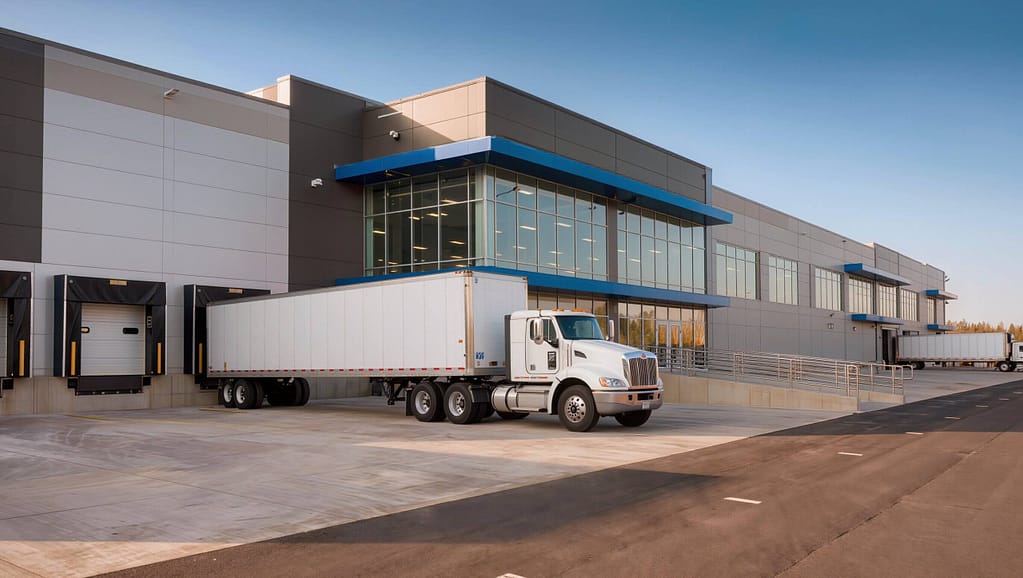
Shipping freight from Ontario to British Columbia involves addressing a myriad of factors, from costs and transit times to service reliability and specialized requirements. Understanding these elements can help businesses make informed decisions and ensure a smooth shipping experience.
If you’re looking to simplify your freight shipping process, consider reaching out to Xlntly. We can guide you through your shipping needs, provide insights into pricing and transit times, and connect you with reliable carriers tailored to your requirements. Contact us today for a quote or to discuss how we can assist with your next shipment.